Narcissistic Abuse and PTSD: How Emotional Trauma Rewires Your Brain and How to Heal From It
If you have ever left a narcissistic relationship and thought, “Why can’t I just move on?” you are not broken. Narcissistic abuse can leave the same trauma imprint as other overwhelming threats — even when there was little or no physical violence. This guide explains how narcissistic abuse and PTSD connect, how the brain adapts under chronic emotional injury, and what healing can look like.
What Is PTSD and How Does It Relate to Narcissistic Abuse?
PTSD (Post-Traumatic Stress Disorder) is a trauma response that can follow a terrifying or overwhelming experience. Complex PTSD (CPTSD) often develops after prolonged, repeated emotional injury — the kind many survivors live through with a narcissistic partner, parent, or boss.
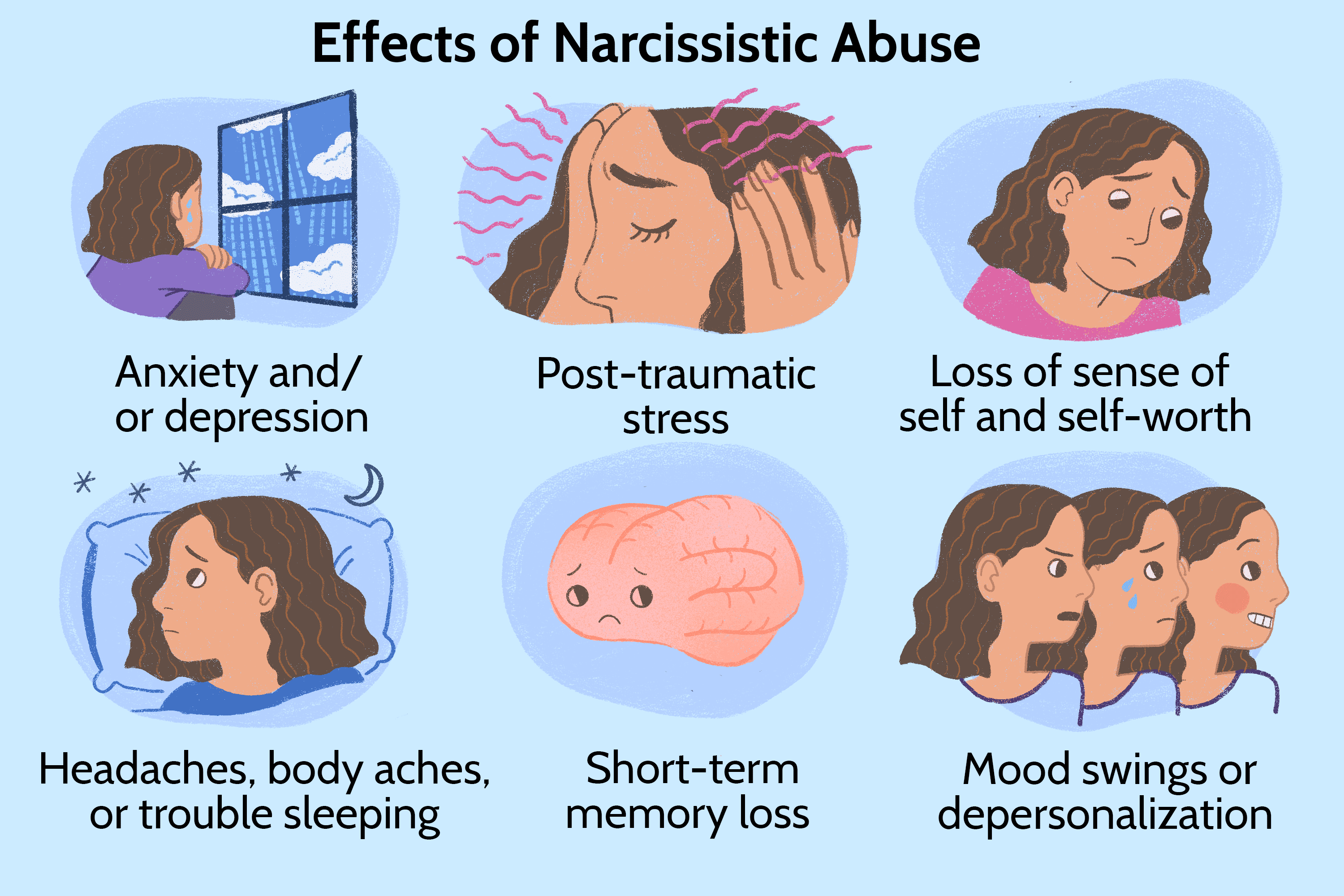
Emotional and psychological abuse can be traumatic enough to trigger PTSD symptoms, including:
- Hypervigilance — always scanning for the next mood swing or criticism
- Flashbacks — sudden waves of the old fear, shame, or body sensations
- Emotional numbness or shutdown
- Difficulty trusting yourself or others
- Nightmares, insomnia, or restless sleep
Note: PTSD doesn’t always come from a single traumatic event — it can come from repeated emotional injury.
How Narcissistic Abuse Rewires the Brain
1. The role of chronic emotional trauma
Gaslighting, intermittent reward, and unpredictable rage keep the nervous system flooded with stress chemistry. Over time, cortisol and adrenaline stay elevated, and your body learns that “safe” is never fully safe.
2. Key brain regions affected
- Amygdala — can become overactive, amplifying threat detection
- Hippocampus — may struggle with memory encoding and emotional context
- Prefrontal cortex — decision-making and self-trust can feel impaired under stress
3. Trauma bonding and learned helplessness
Idealize–devalue–discard cycles condition the brain much like intermittent reinforcement. Hope and fear get wired together, which is why leaving can feel addictive and confusing — not because you are weak, but because your nervous system adapted to survive.
Signs You May Be Experiencing PTSD From Narcissistic Abuse
- You feel on edge around others, even in safe situations
- You obsess over the abuser’s words or behaviors long after contact ends
- You doubt your memory or perceptions
- You isolate from shame or mistrust
- You freeze under conflict or confrontation
If you feel like you are still fighting battles that ended months — or years — ago, you may be experiencing trauma responses.
The Overlap Between CPTSD and Narcissistic Abuse
Complex PTSD often grows from long-term abuse in families, romantic relationships, or workplaces. Alongside classic PTSD symptoms, survivors may notice emotional flashbacks, difficulty maintaining relationships, and a painful loss of self-identity. That is a nervous-system story, not a character flaw.
How to Begin Healing and Rewire Your Brain
1. Professional support
Trauma-informed care matters. Approaches like EMDR, CBT, somatic therapy, and Rapid Transformational Therapy (RTT) can help the brain update old threat patterns — especially with a clinician who understands narcissistic abuse.
2. Nervous system regulation
Gentle daily practices help: breathwork, grounding, yoga, meditation, journaling, and kinder self-talk. Small, consistent cues of safety teach the body a new baseline.
3. Rebuilding self-worth and identity
New routines, reconnecting with safe people, and practicing self-compassion rebuild the parts of you that had to go quiet to survive.
4. No contact or low contact
Limiting or ending contact is often essential for neurological and emotional recovery. Distance is not cruelty — it is treatment for a nervous system that has been under siege.
Healing doesn’t mean forgetting — it means your past no longer controls your present.
How Long Does It Take to Heal?
There is no honest one-size timeline. PTSD and CPTSD recovery take patience and consistency. Progress is often uneven: better weeks, hard weeks, then steadier ground. That pattern is normal.
Final Thoughts
You are not “crazy.” Your brain responded to trauma. Recovery is possible, and your mind can be supported toward peace and stability again. If this resonates, share it with someone who needs it — or take one gentle next step on your own healing path today.
Ready for your next step?
Grab the free Calm Anxiety guided hypnosis session.